
Investment Insights

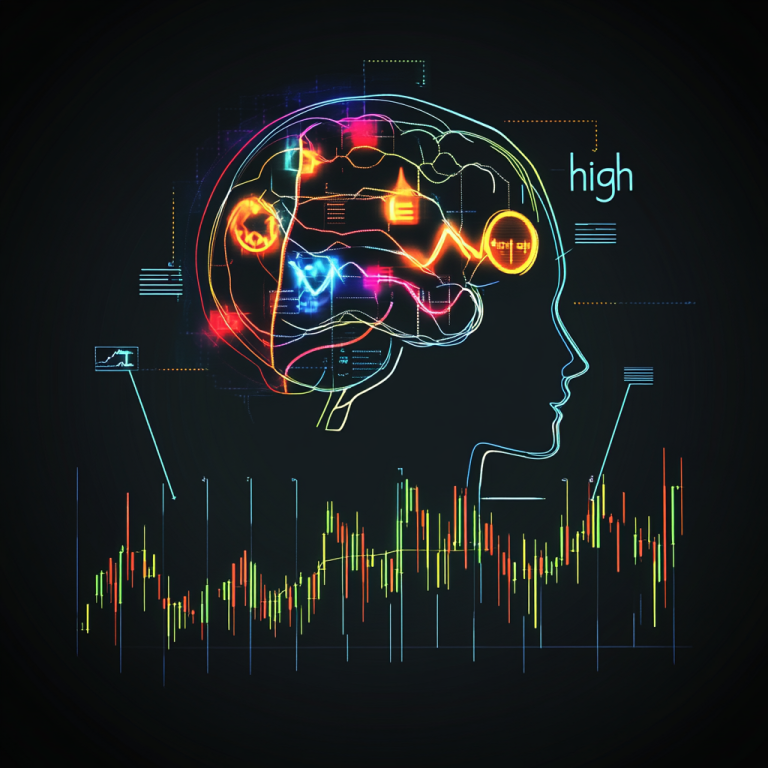
  • How does stock market trading affect your brain and neuropaths?

    Many traders like to feel that they are in control of their destiny and how they react to market changes. However, various studies have looked at how stock market trading affects the brain and the many triggers that occur. Whether this article will allow you to adapt your future trading patterns is debatable, but it will certainly open your eyes.

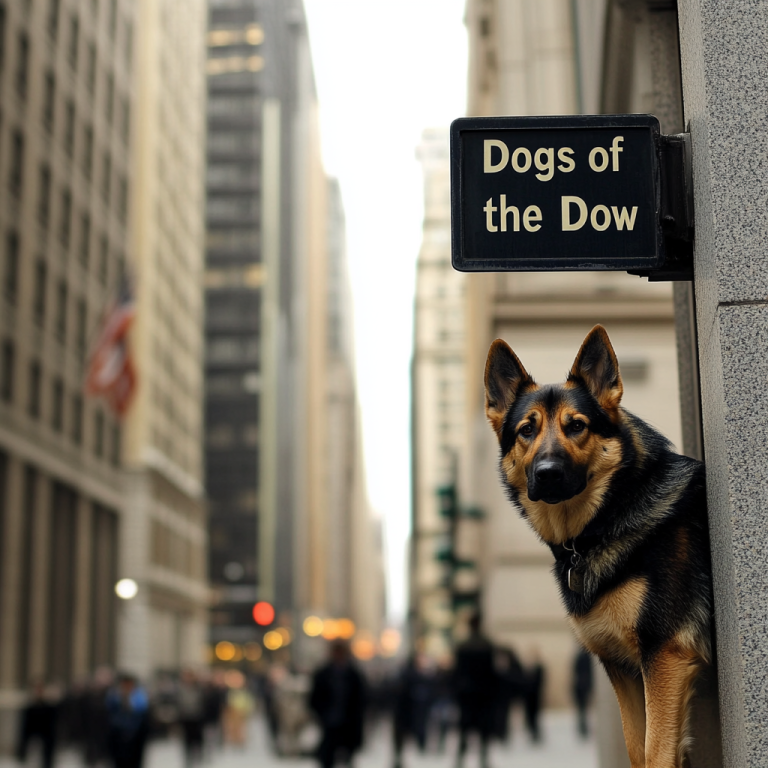
  • Is the Dogs of the Dow a legitimate investment strategy?

    Let’s be honest: The term “Dogs of the Dow” is not the most appealing, but it is a concept and investment strategy that is attracting the attention of contrarian investors. In recent years, markets have been extremely volatile, so injecting a degree of stability is likely to be welcomed in many ways. So, is the Dogs of the Dow strategy something to consider?

  • Balancing low-touch execution with risk management in volatile markets

    In today’s fast-moving financial markets, low-touch execution has emerged as a favoured strategy for executing large trades with minimal manual intervention. However, in volatile markets, where rapid price fluctuations and liquidity constraints are common, balancing low-touch execution with robust risk management becomes crucial. In this article, we will look at how investors can navigate these challenges to protect their portfolios.

  • UK Risk parity and its application in personal investment portfolios

    For many investors, the days of the traditional 60/40 split between stocks and bonds are seen as yesterday’s strategy. While there are many alternatives, risk parity is becoming popular amongst professional investors looking at ways to leverage risk while maintaining a degree of diversification. So, how does risk parity work, and in what scenarios is this popular?

  • UK Leveraging Artificial Intelligence in Portfolio Management

    There is no doubt that Artificial Intelligence (AI) is impacting all areas of the financial services industry, but the impact on portfolio management is becoming more striking. In this article, we will look at AI tools and trends that experienced investors can leverage to maximise their returns. Interestingly, many experts believe that we are only now scratching the surface of AI in portfolio management.

  • What is behavioural finance, and how does it impact the decision-making process?

    Behavioural finance is an interesting topic that differs from traditional finance theories based on facts, figures and fair valuations. This concept first emerged in the late 20th century, with Daniel Kahneman and Amos Tversky at the forefront of coverage. It’s essential to appreciate behavioural concepts, as a survey back in 2018 showed that 83% of financial advisers believe that behavioural finance was at the heart of many so-called market anomalies.

  • The impact of artificial intelligence on investment strategies

    While financial markets are always at the forefront of new technology, artificial intelligence (AI) is having an impact like nothing before it. One of the frightening things is that many people believe we are only just scratching the surface and there’s a lot more to come. Whether looking at investment decisions, risk assessment or simply the analysis of big data, the potential going forward is huge.

  • Is time your most valuable asset?

    In the world of investment, the most valuable assets are often those right in front of you. One such asset, frequently overlooked, is time. At first glance, this might seem like an odd statement. However, upon closer examination, the value and power of time become evident. So, stay with us, and we will explain precisely what we mean.